Backyard food forest design tool
A food forest is an orchard designed like a woodland: a tall canopy layer, fruiting understory trees, berry shrubs, and edible groundcover all stacked in the same footprint. It is the most future-facing thing you can do with a lawn, and the hardest to picture, because the design only makes sense once you can see year twelve. That is precisely what Painted Acre is built to show.
No account needed. The studio opens with this scenario ready to go.
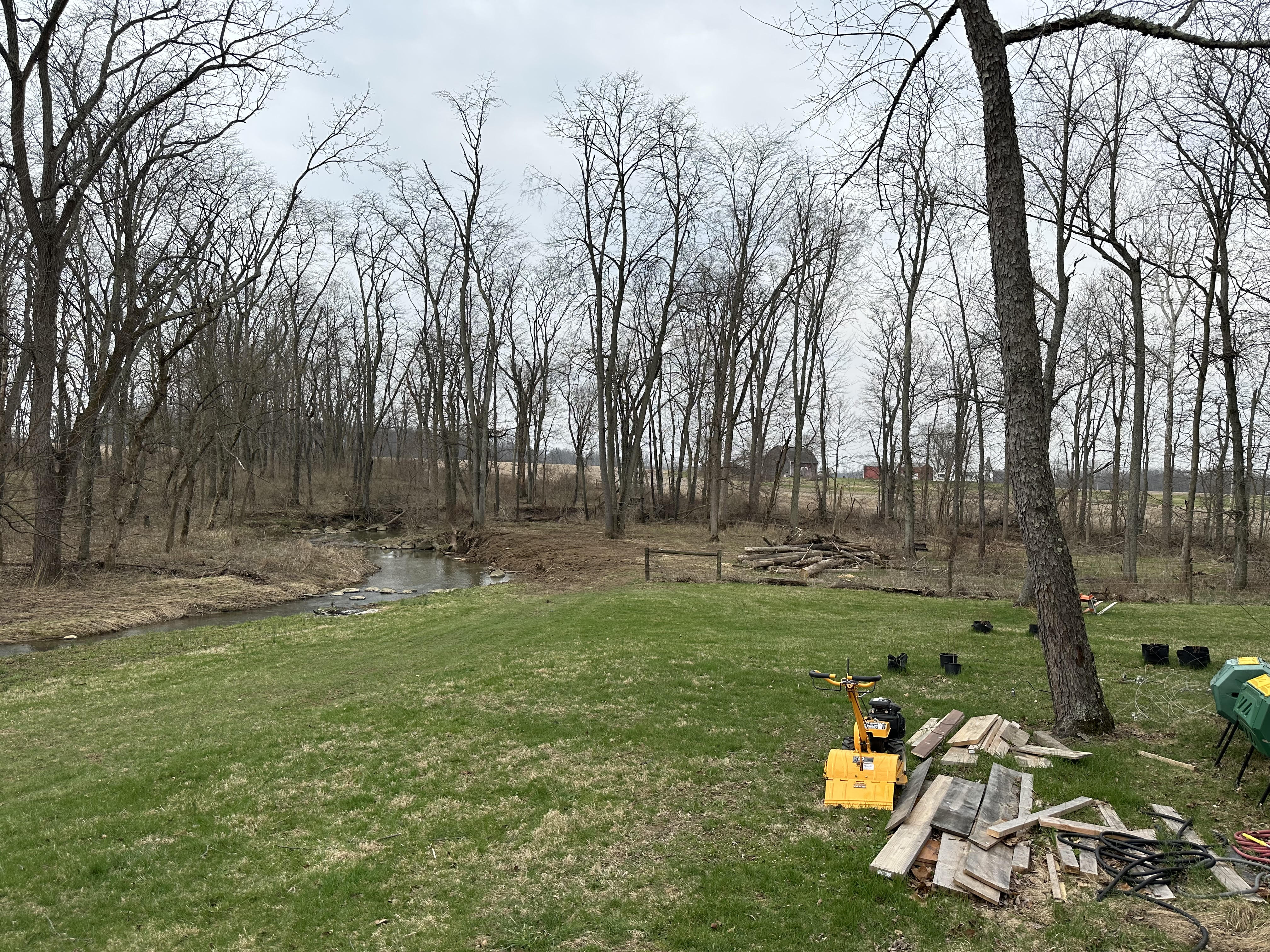
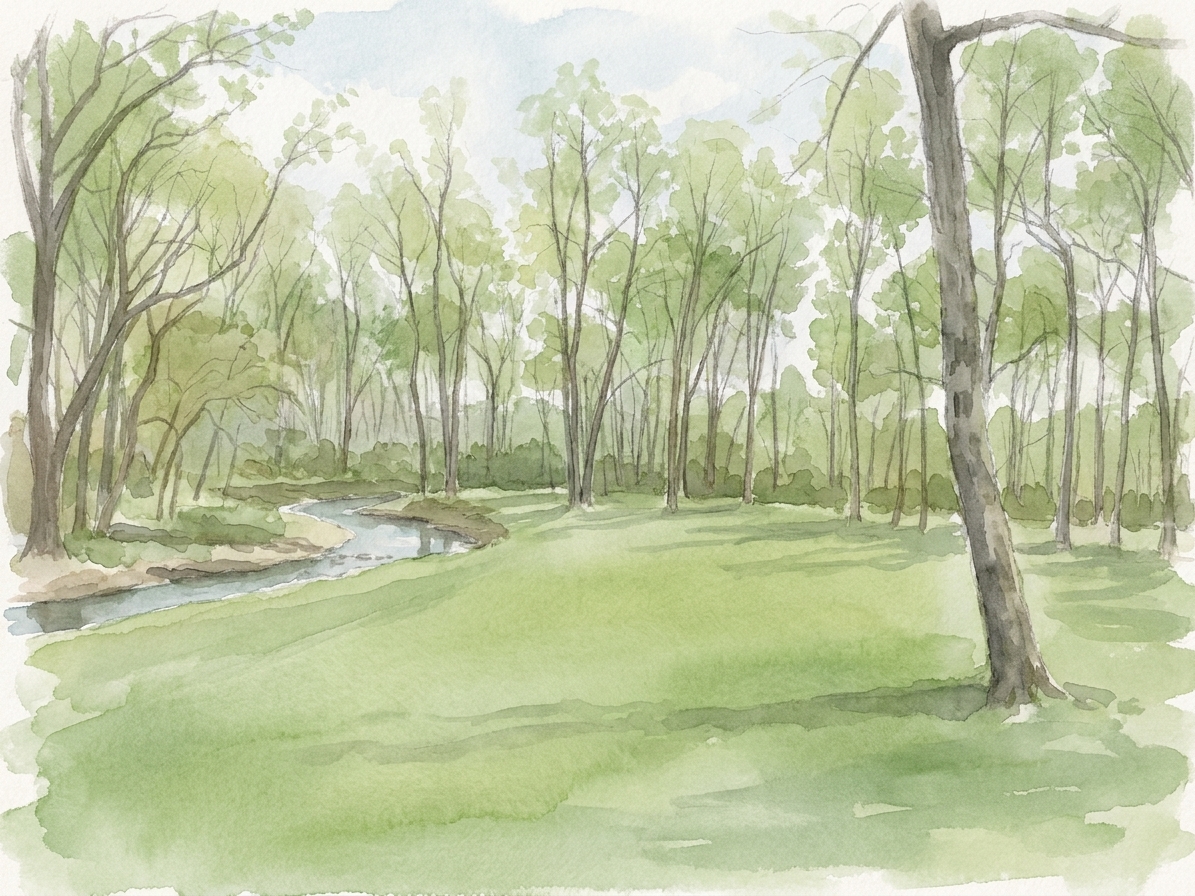
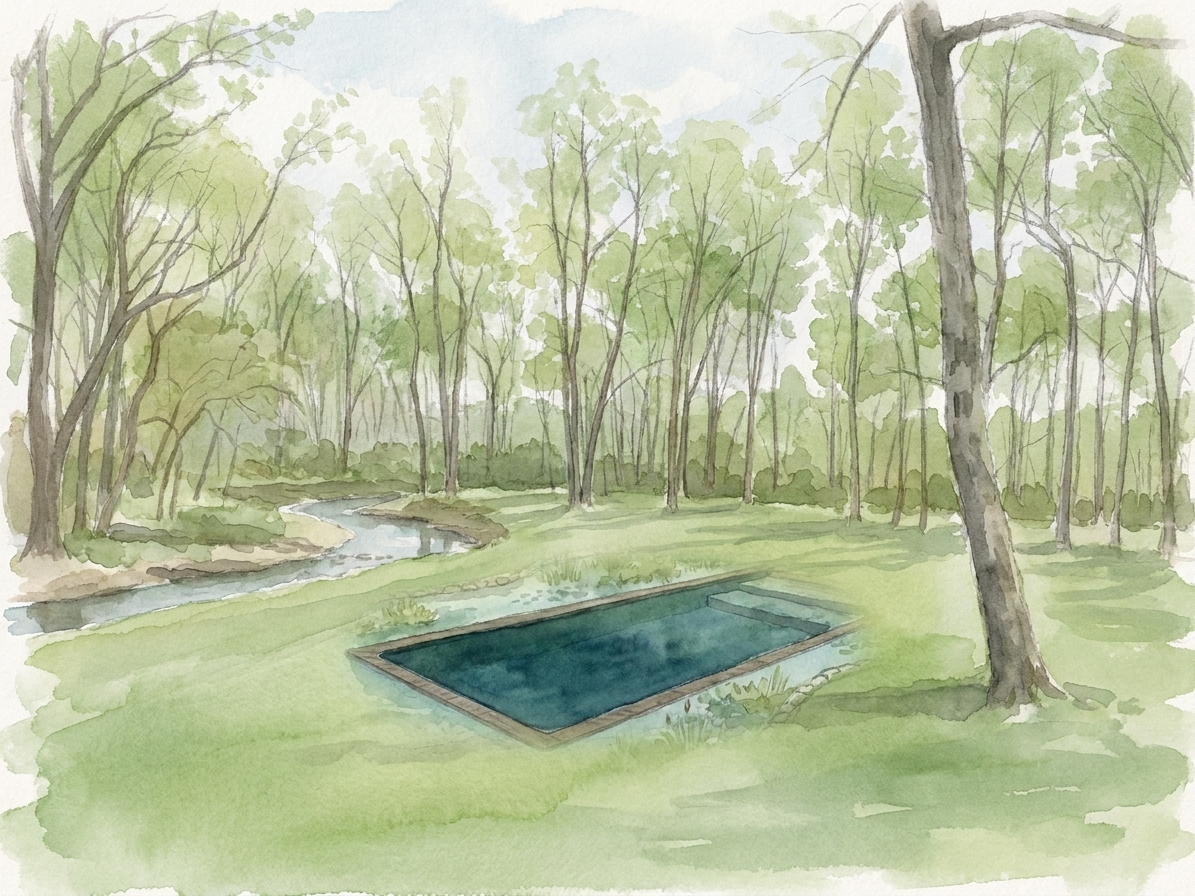
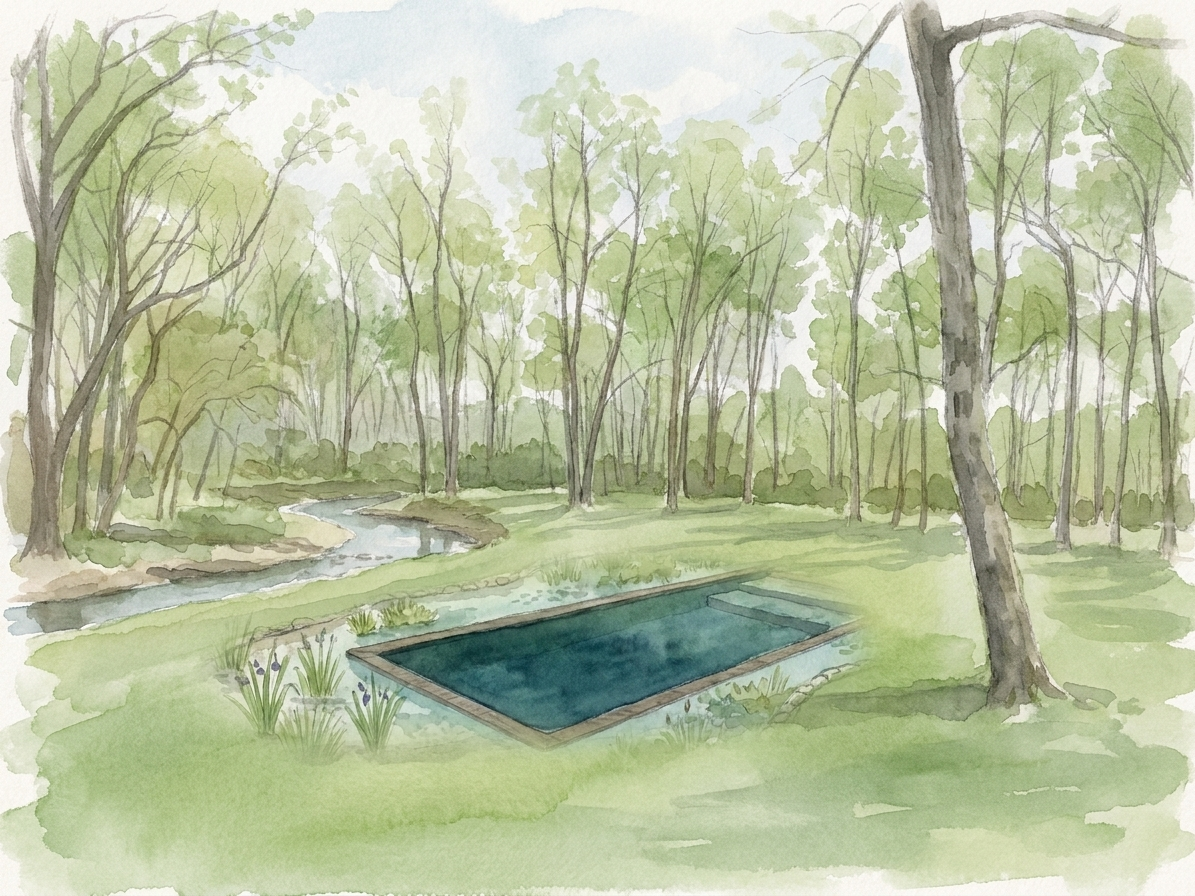
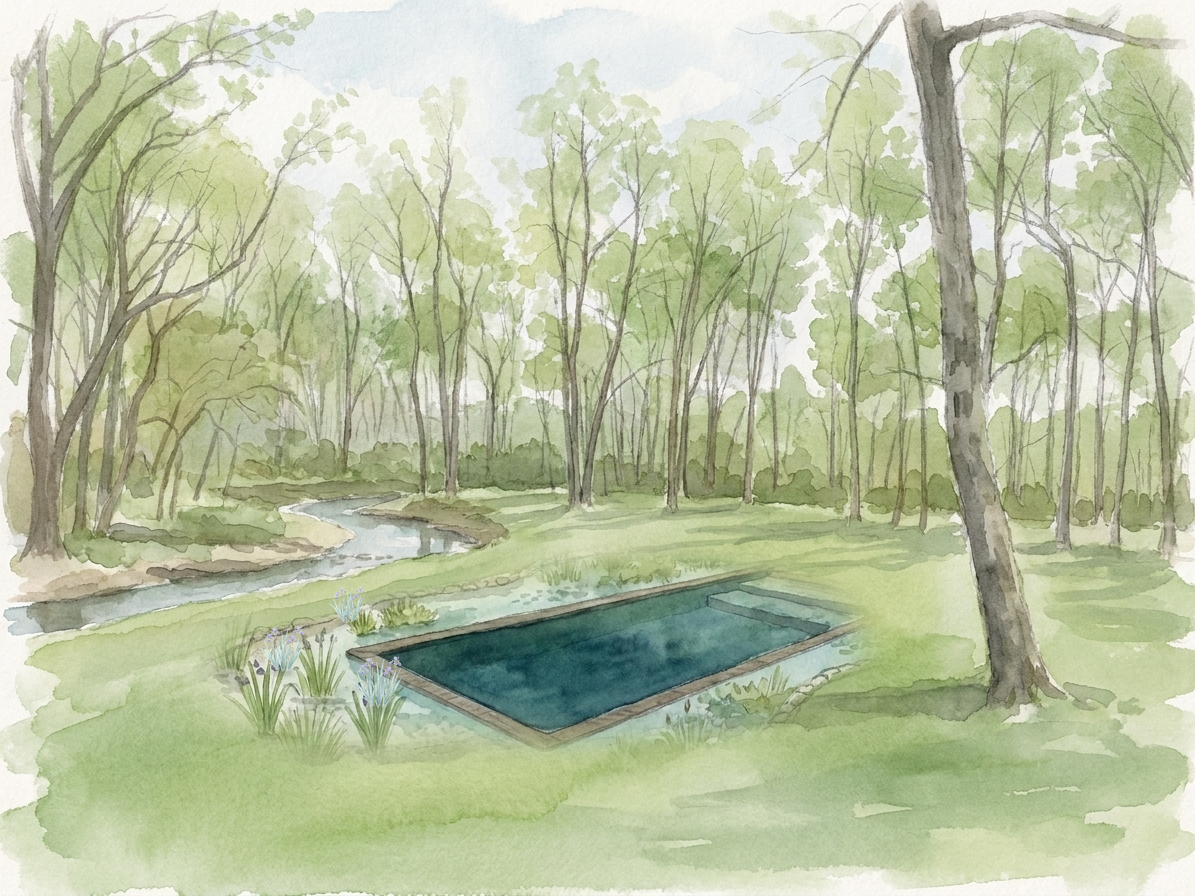
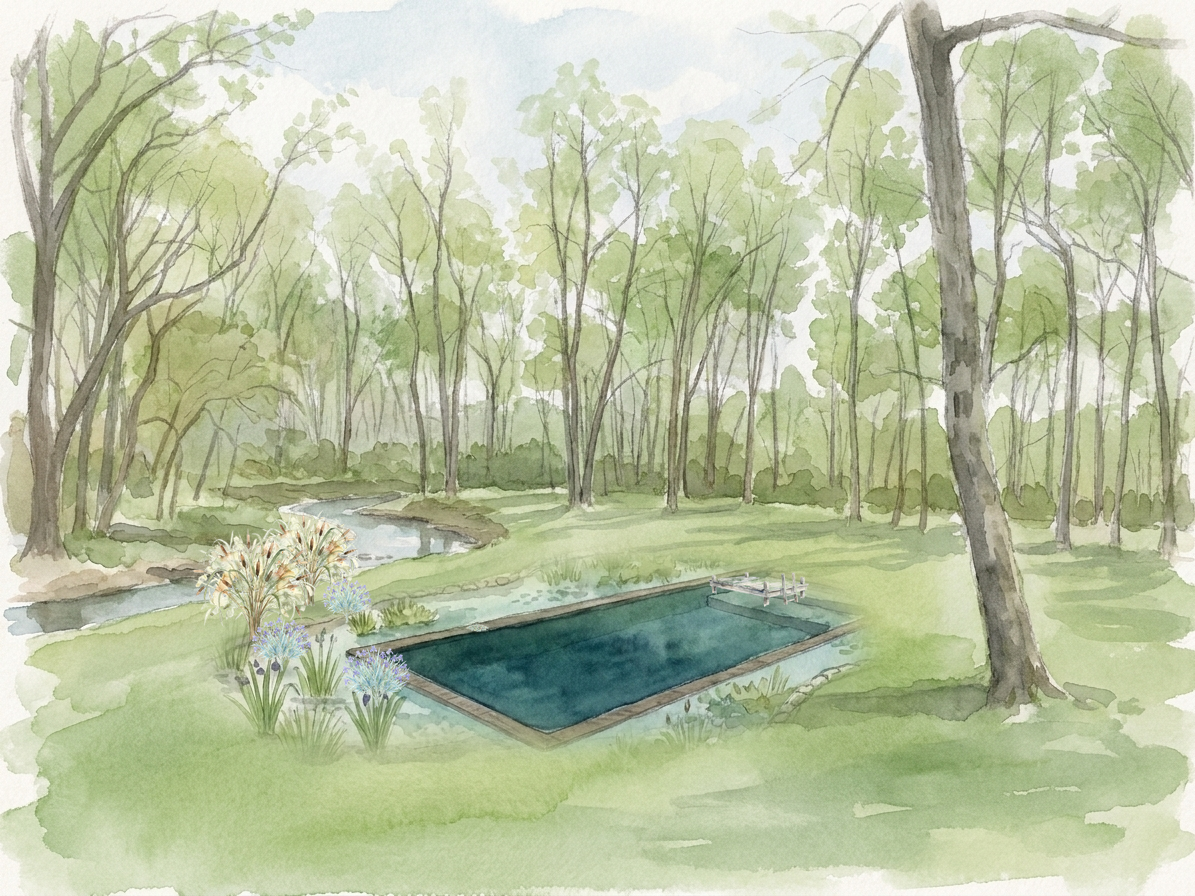
Design the layers, not the plants
Start with the canopy: one or two full-size trees set the shade pattern for everything below, so place them first and place them honestly, at mature width. Then the understory fruit trees go in the bright gaps, shrubs at the edges where they get sun, and groundcover knits the floor. On a painted plan you can see the shade pattern the canopy will cast in 15 years, which is the single most common food forest design mistake to get wrong.
The first three years are the awkward years
A young food forest looks like scattered sticks in mulch, and most people lose faith right then. Interplant the gaps with annual vegetables and fast perennials the first few seasons: the ground works for you while the trees establish, and the yard never looks abandoned. The timelapse is honest about this awkward phase, and about the payoff after it.
Yield follows structure
By year six a well-layered plan produces from four heights at once: tree fruit overhead, berries at arm height, perennial herbs and greens below. Harvest paths matter, keep every planting reachable from a path, or it will feed the birds instead of you.
Before and after, honestly
Every Painted Acre plan starts from a photo of a real yard and ends with the same view, years grown. No invented dream yard, no stock photos.
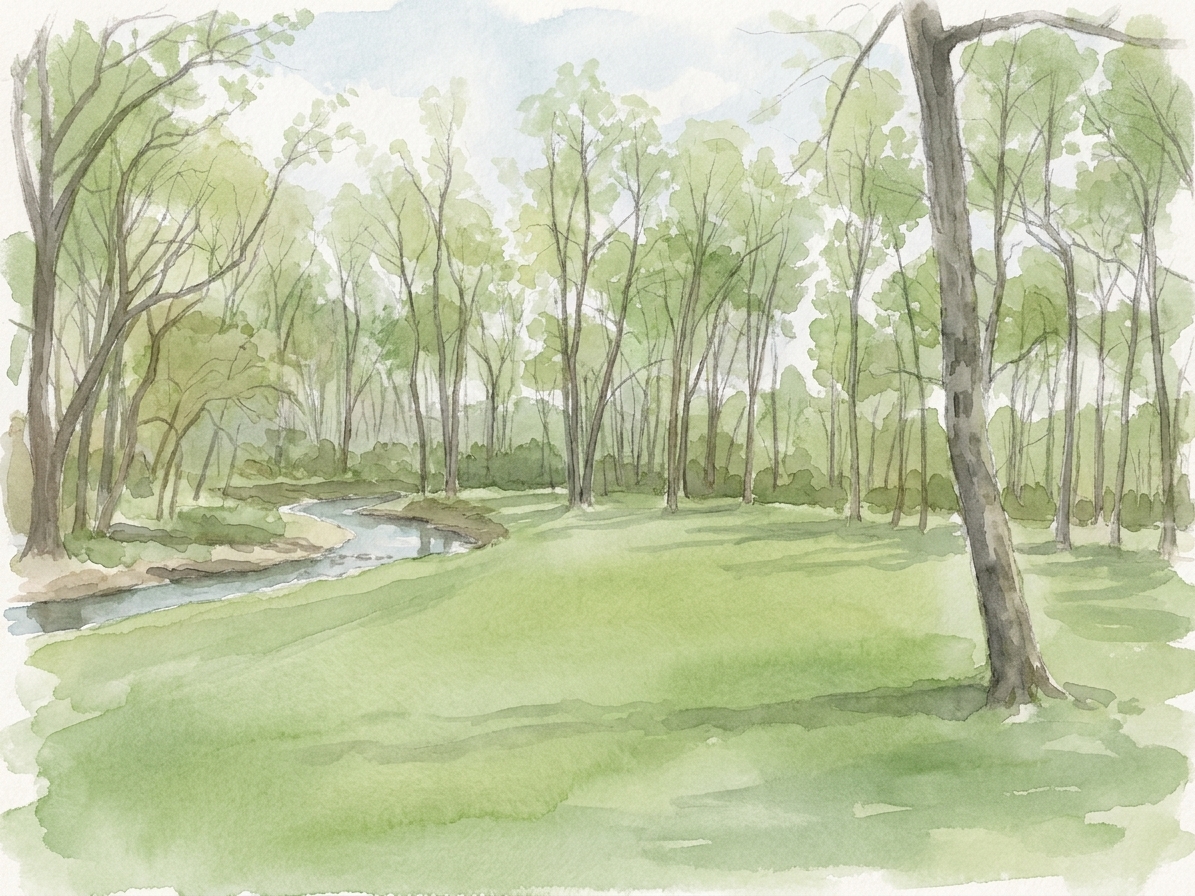
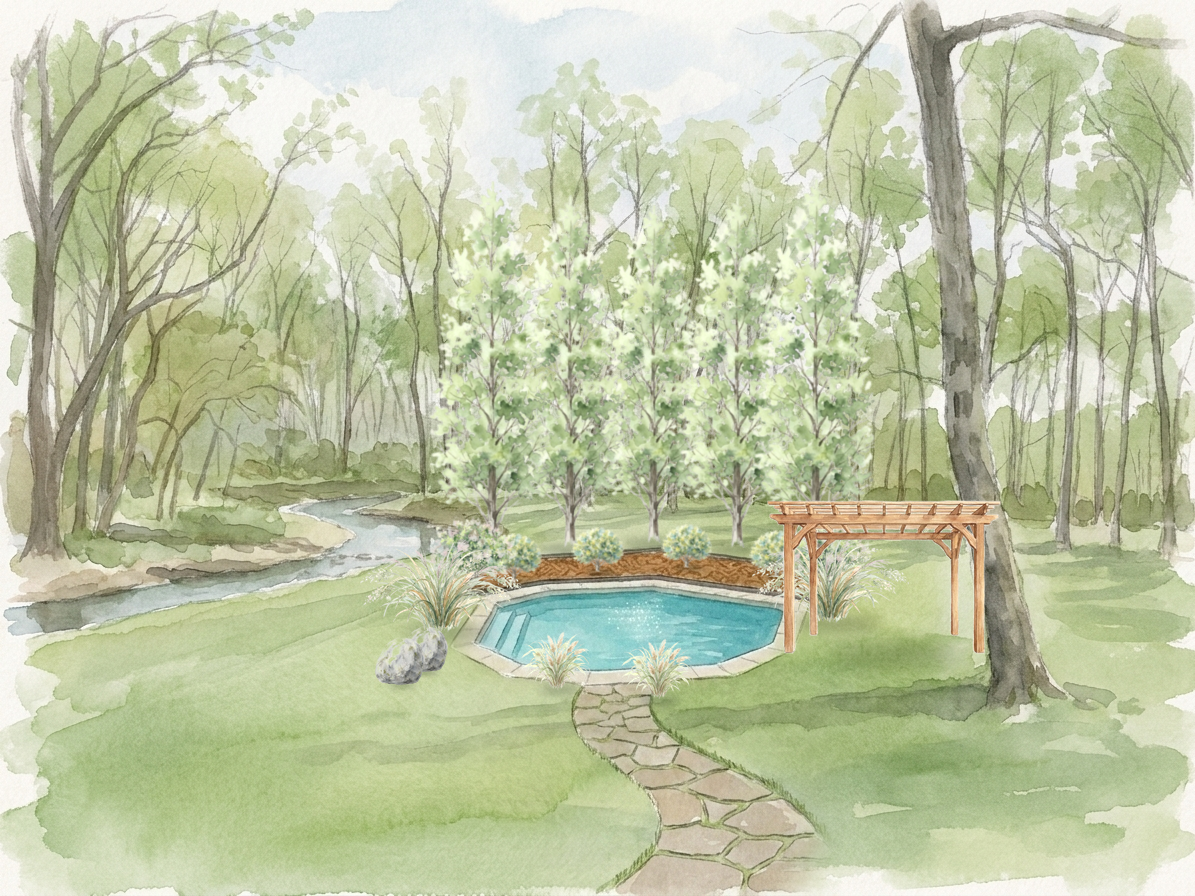
The layers, painted
Canopy to groundcover, one entry per layer, each painted at every age so the awkward years are no surprise. Enter your ZIP and the palette keeps only what fruits in your zone.
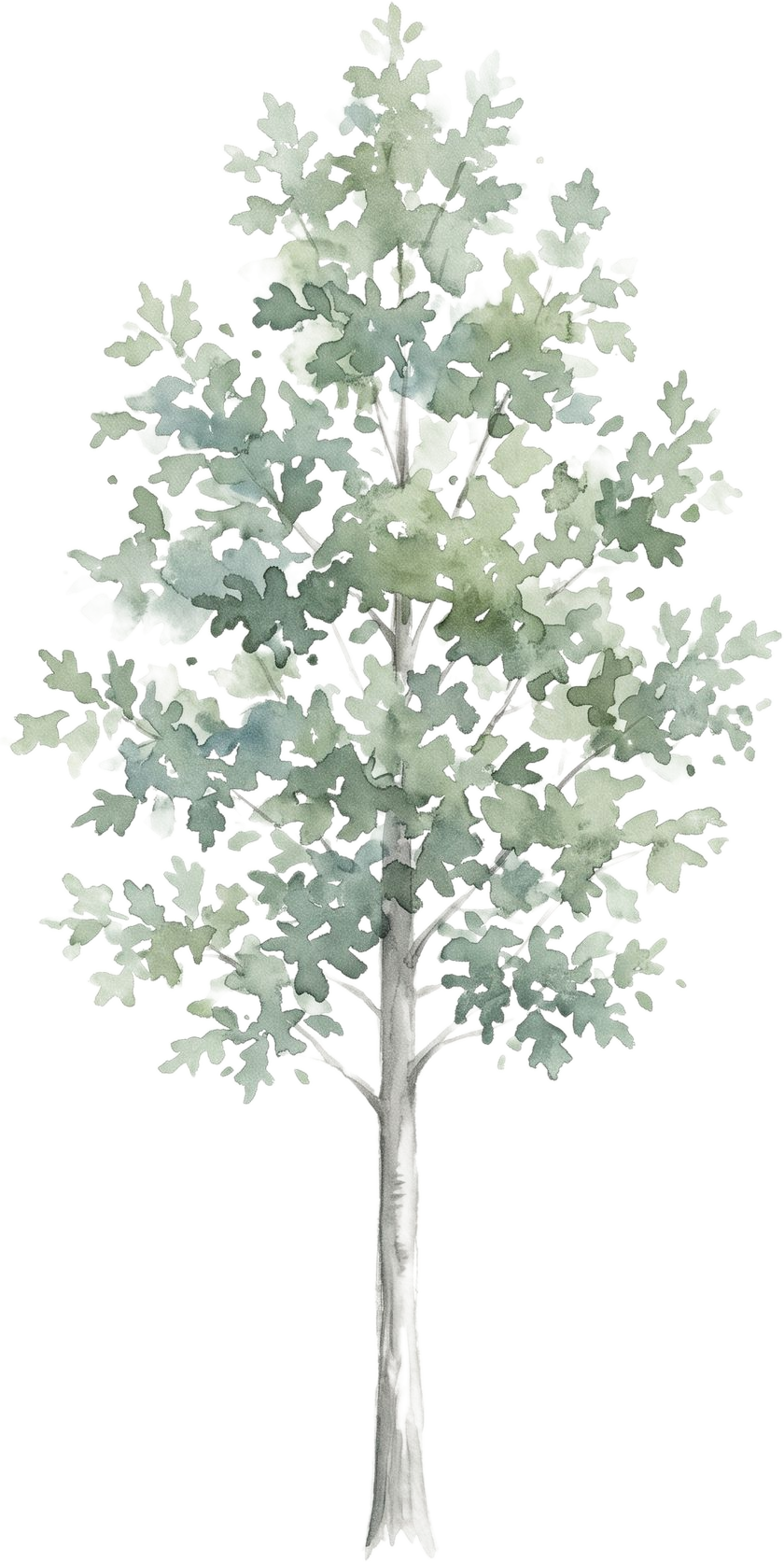
White Oak
A legacy canopy anchor; acorns feed wildlife and the shade pattern organizes the whole design.
Serviceberry
The perfect understory fruit tree: early blooms, June berries, blazing fall color.
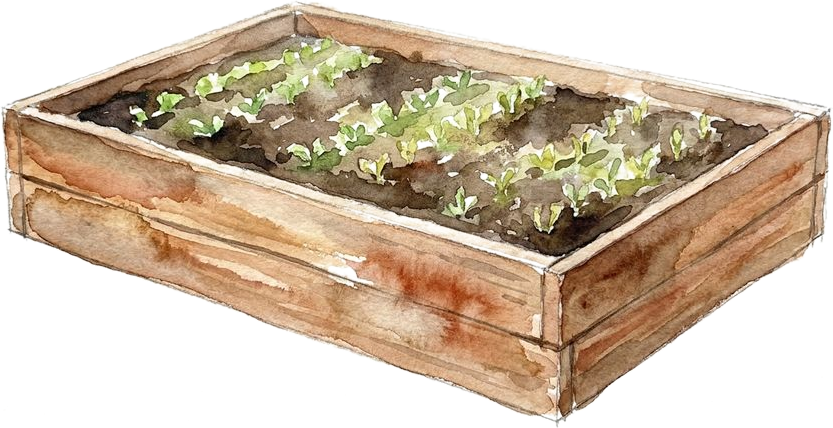
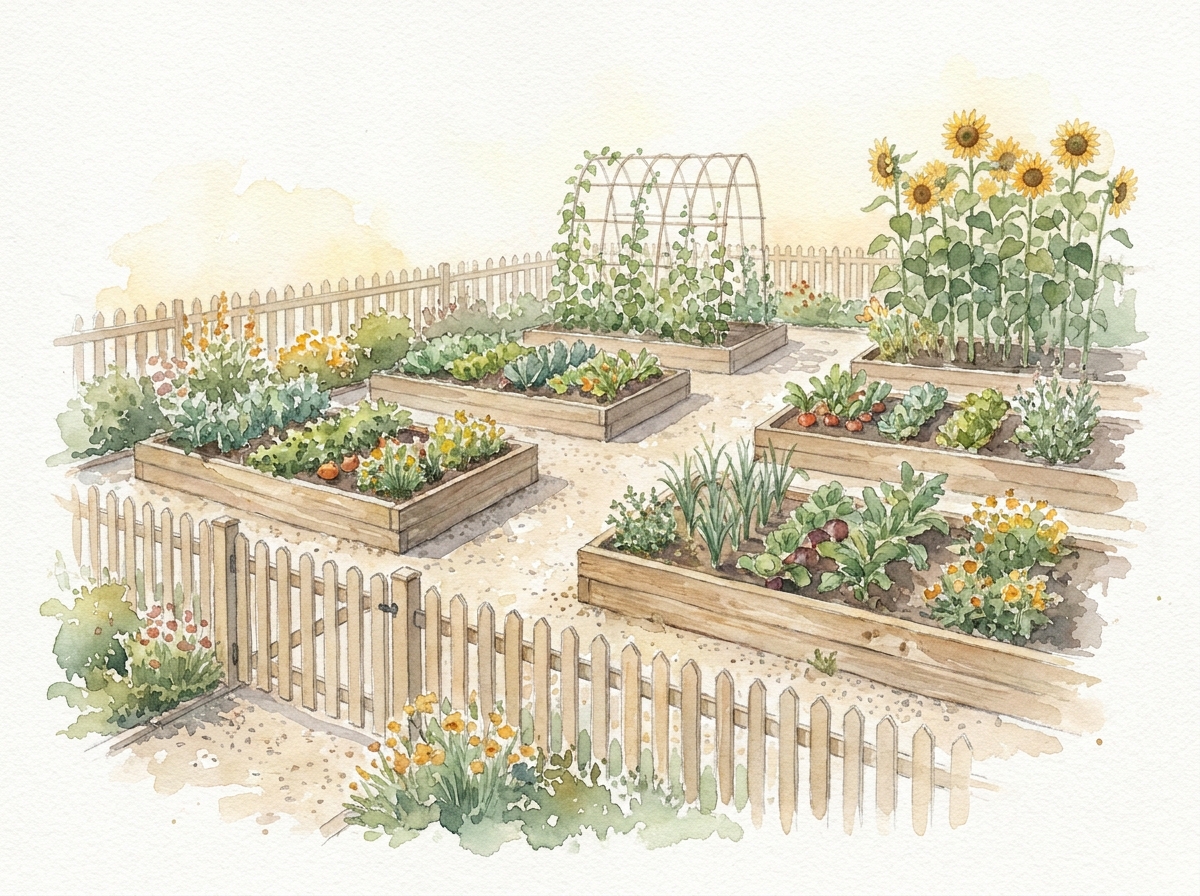
Raised Veggie Bed
Annual vegetables in the sunny gaps while the perennials establish.
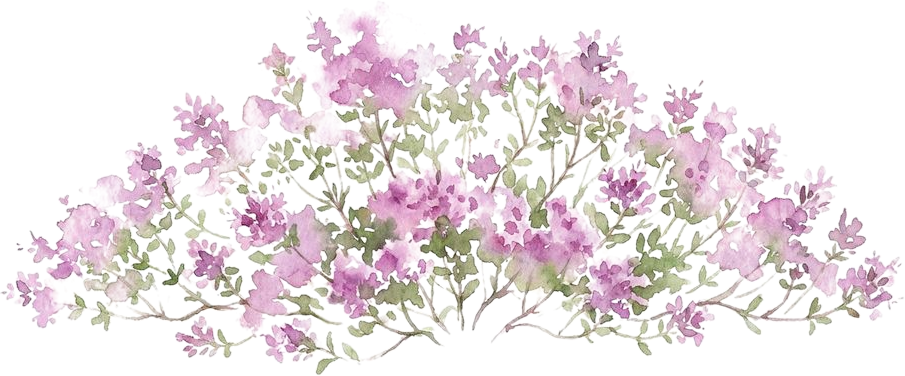
Creeping Thyme
Edible, walkable groundcover for the path edges.
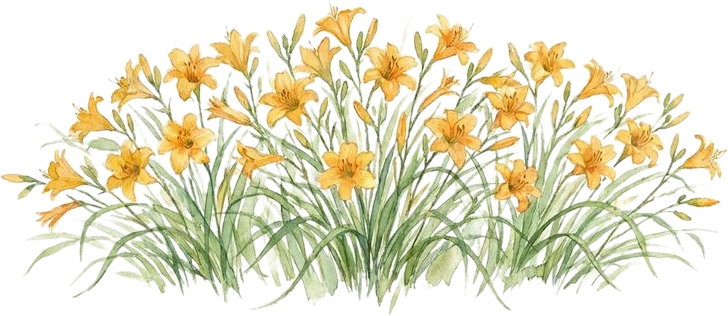
Daylily
Tough perennial with edible buds, great for the sunny margin.
Questions people ask
▸How much space does a backyard food forest need?
A meaningful one starts around 400 square feet with one understory tree and layered shrubs. A quarter-acre lot supports a full canopy-to-groundcover design. Painting it on your actual yard shows exactly how much lawn you are trading.
▸How long until a food forest produces food?
Berries and perennial greens produce in year 1 to 2, understory fruit trees in year 3 to 5, full canopy nuts and fruit in 7 to 15. The design job is sequencing those waits so something is always producing.
▸Is a food forest a lot of maintenance?
Front-loaded, then less than lawn. Years 1 to 3 are watering and mulching. After establishment, a layered system largely mulches, fertilizes, and shades itself, and you mostly prune and harvest.
▸Can Painted Acre plan the layers for me?
The built-in AI designer takes a request like "food forest with a serviceberry understory" and lays out a starting design on your yard, which you then drag, swap, and grow forward to check the shade pattern.
What this is, and is not: Painted Acre produces an illustrative watercolor design plan: placement, plant choices, and an honest picture of growth over time. It is not an architectural, engineering, or construction document. For anything that involves excavation, water, structures, or grading, bring the plan to a qualified contractor or landscape professional and verify measurements, utilities, and local codes first.
Related scenarios
 Edible and food
Vegetable garden design tool
A good vegetable garden is a little room: raised beds in rows, paths you can push a wheelbarrow down…
watercolor · chicken coop garden Backyard homesteadingChicken coop garden design tool
A chicken coop garden treats the coop and run as part of the landscape instead of a shed hidden in t…
watercolor · pollinator garden Native and pollinatorPollinator garden design tool
A pollinator garden succeeds on two things most sketches ignore: drifts big enough for foraging bees…
watercolor · shade garden ShadeShade garden design tool
The dark strip under mature trees is where lawns go to die and where the best gardens begin. Shade g…