Front yard landscaping design tool
Curb appeal is composition: the house is the subject, the landscape is the frame, and most front yards fail by decorating instead of framing. The fix starts with a photo of your actual house, which is exactly where Painted Acre starts. Paint the beds, place the tree, and check the one thing no plant tag will tell you: what the framing looks like when everything is ten years older.
No account needed. The studio opens with this scenario ready to go.
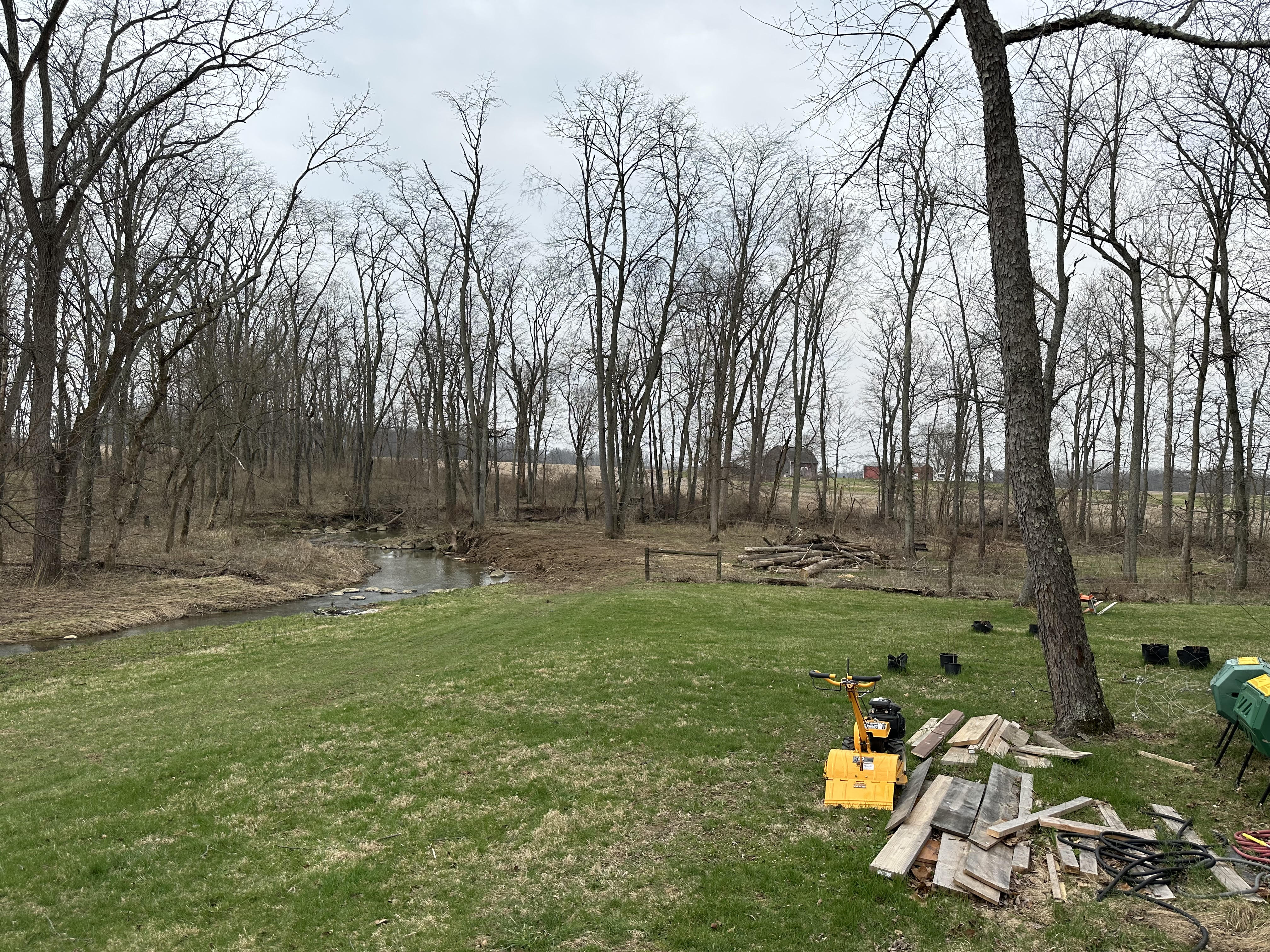
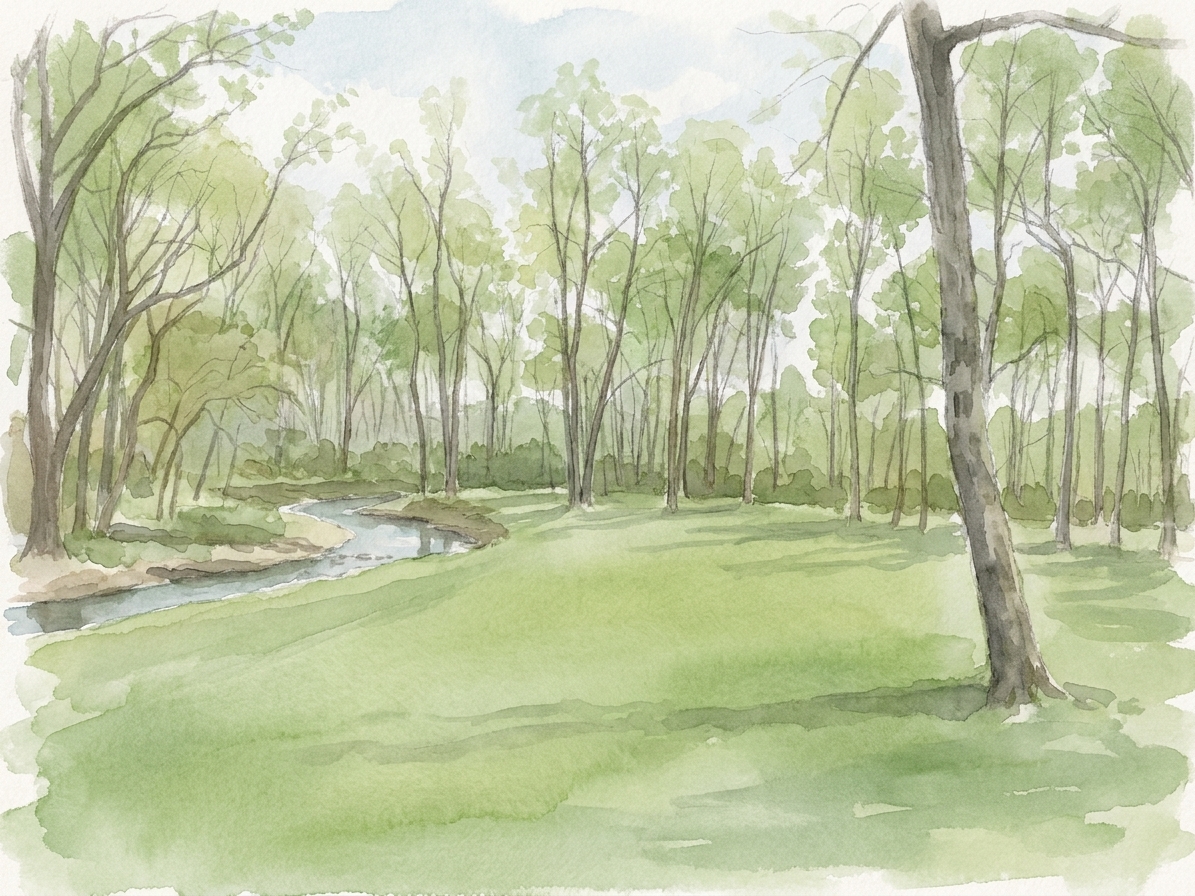
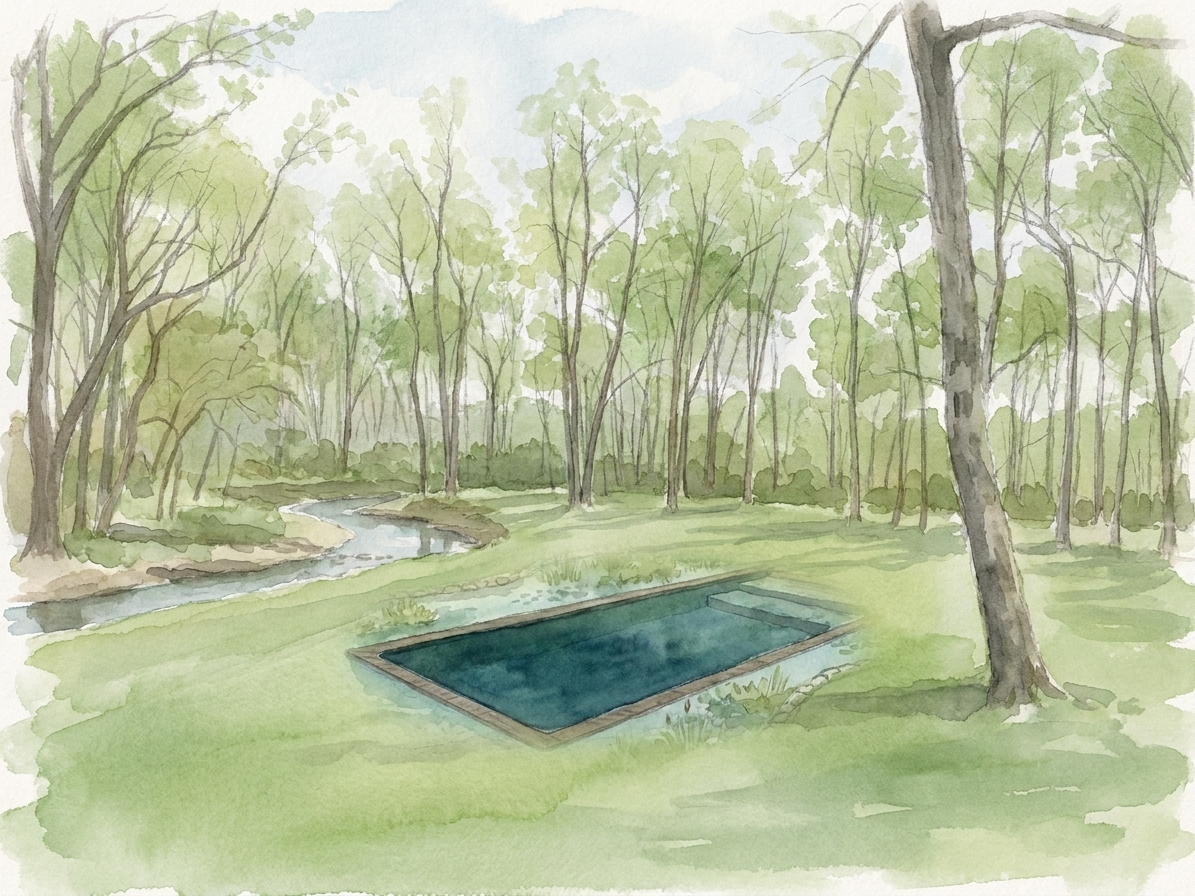
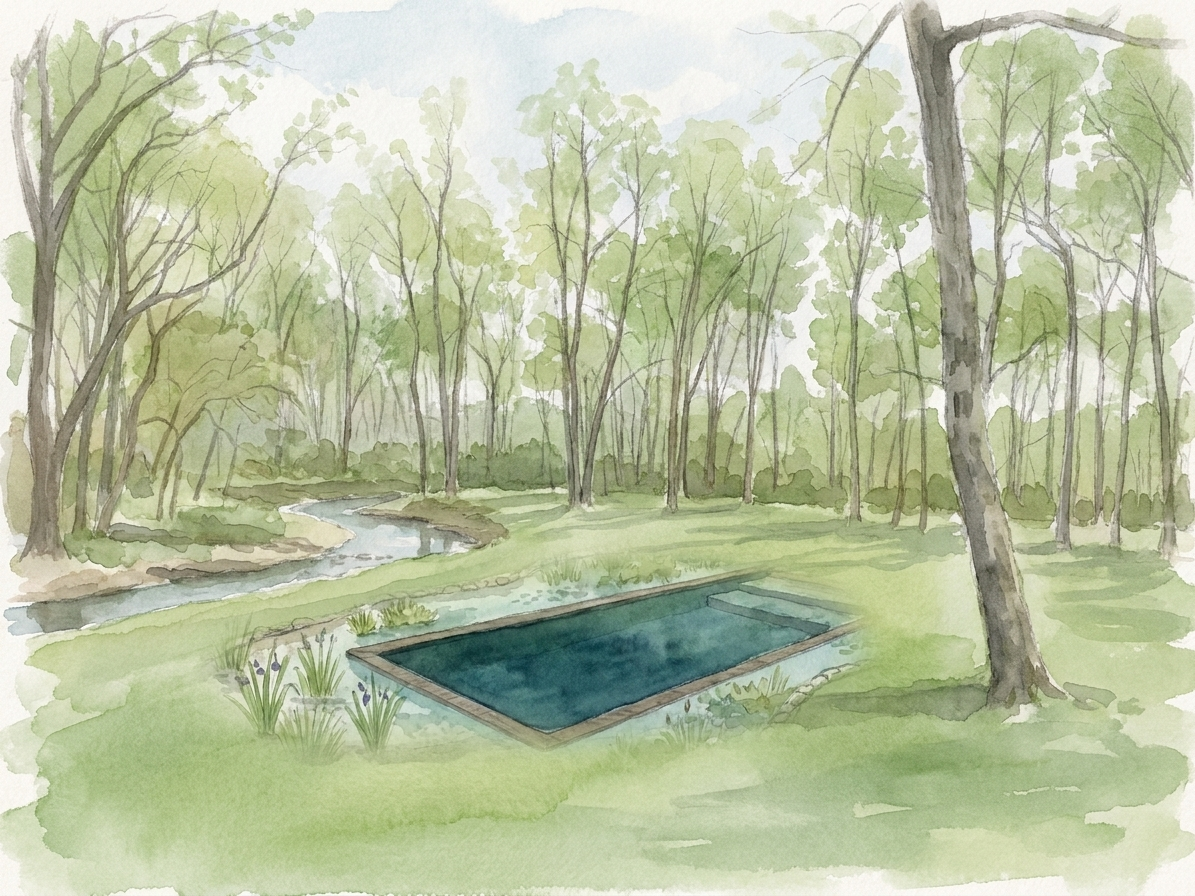
Frame the door, not the foundation
The eye should land on the front door. Taller plantings belong at the house corners, stepping down toward the entry, never a flat hedge line under the windows. One flowering specimen tree, placed off-center between the door and the corner, does more for a photo of your house than any amount of shrub shopping.
The 60 percent evergreen rule
A front yard is on stage in February too. Keep roughly 60 percent of the structure evergreen, boxwood, holly, juniper, so winter looks composed, and spend the other 40 on seasonal payoff: hydrangeas, roses, spring bulbs at the walk. The growth view shows whether your evergreen bones hold the picture in year eight or swallow the windows.
Widen the walk, soften the edges
Builder walks are 3 feet of regret. If you change one hardscape thing, widen the entry walk to 4.5 or 5 feet and let plantings spill slightly over the edges, low mounds like creeping phlox in front, knee-height color behind. Wide and soft reads as welcome; narrow and clipped reads as a service entrance.
Before and after, honestly
Every Painted Acre plan starts from a photo of a real yard and ends with the same view, years grown. No invented dream yard, no stock photos.
The framing palette, painted
A specimen for the lawn, evergreen bones for February, and color for the walk, each painted at every age. Enter your ZIP and the palette narrows to what thrives on your street.
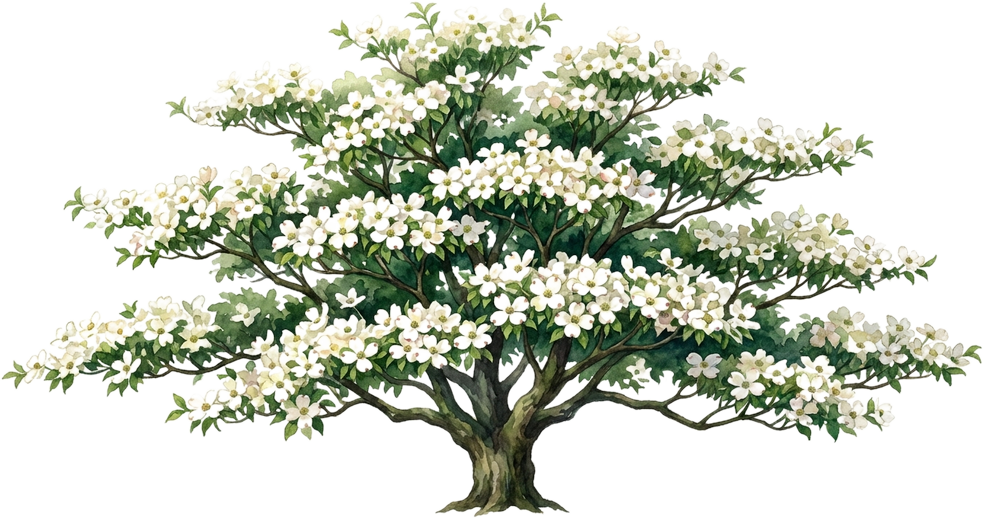
Flowering Dogwood
The specimen: four true seasons, scaled to a house instead of over it.
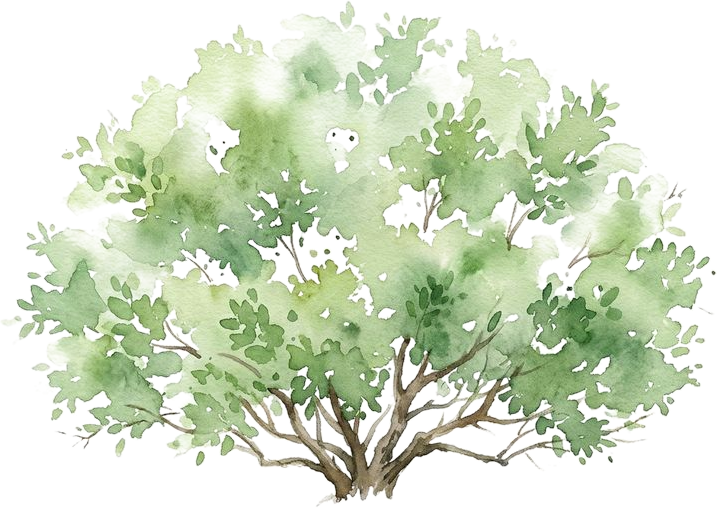
Boxwood
The evergreen bones that keep February composed.
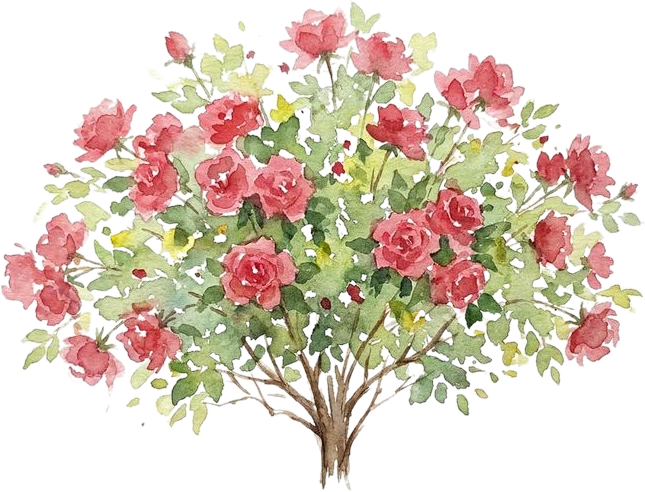
Knock Out Rose
Months of color at the walk with zero rose drama.
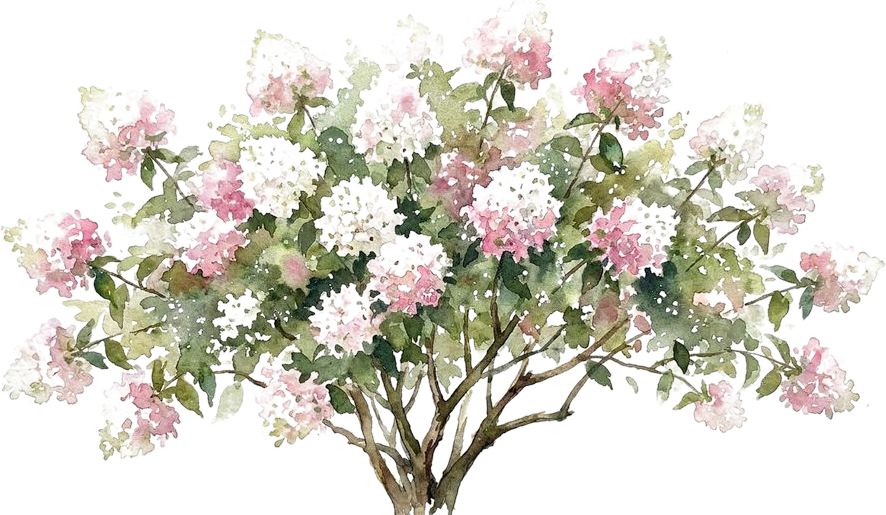
Hydrangea
The summer anchor between the corner evergreens.
Creeping Phlox
April edge color spilling over the walk.
Questions people ask
▸What adds the most curb appeal for the least money?
In order: a wider entry walk, one well-placed flowering tree, and continuous foundation beds with 60 percent evergreen structure. All three are placement decisions, which is why designing on a photo of your actual house beats any idea gallery.
▸How far from the house should foundation plants go?
Plant at half the mature width away from the wall, minimum 2.5 to 3 feet even for small shrubs. The number one foundation mistake is spacing for the nursery pot instead of year ten, and the growth slider makes that mistake visible before you dig.
▸Should the front yard match the neighborhood?
Harmonize the framework and personalize the details. Keep scale and lawn lines compatible with the street, then let the specimen tree and walkway plantings carry your taste.
▸Can I see my own house in the tool?
Yes, that is the product: upload a photo of the front of your house, Painted Acre paints it in watercolor, and every design decision happens on your real facade.
What this is, and is not: Painted Acre produces an illustrative watercolor design plan: placement, plant choices, and an honest picture of growth over time. It is not an architectural, engineering, or construction document. For anything that involves excavation, water, structures, or grading, bring the plan to a qualified contractor or landscape professional and verify measurements, utilities, and local codes first.
Related scenarios
 Garden styles
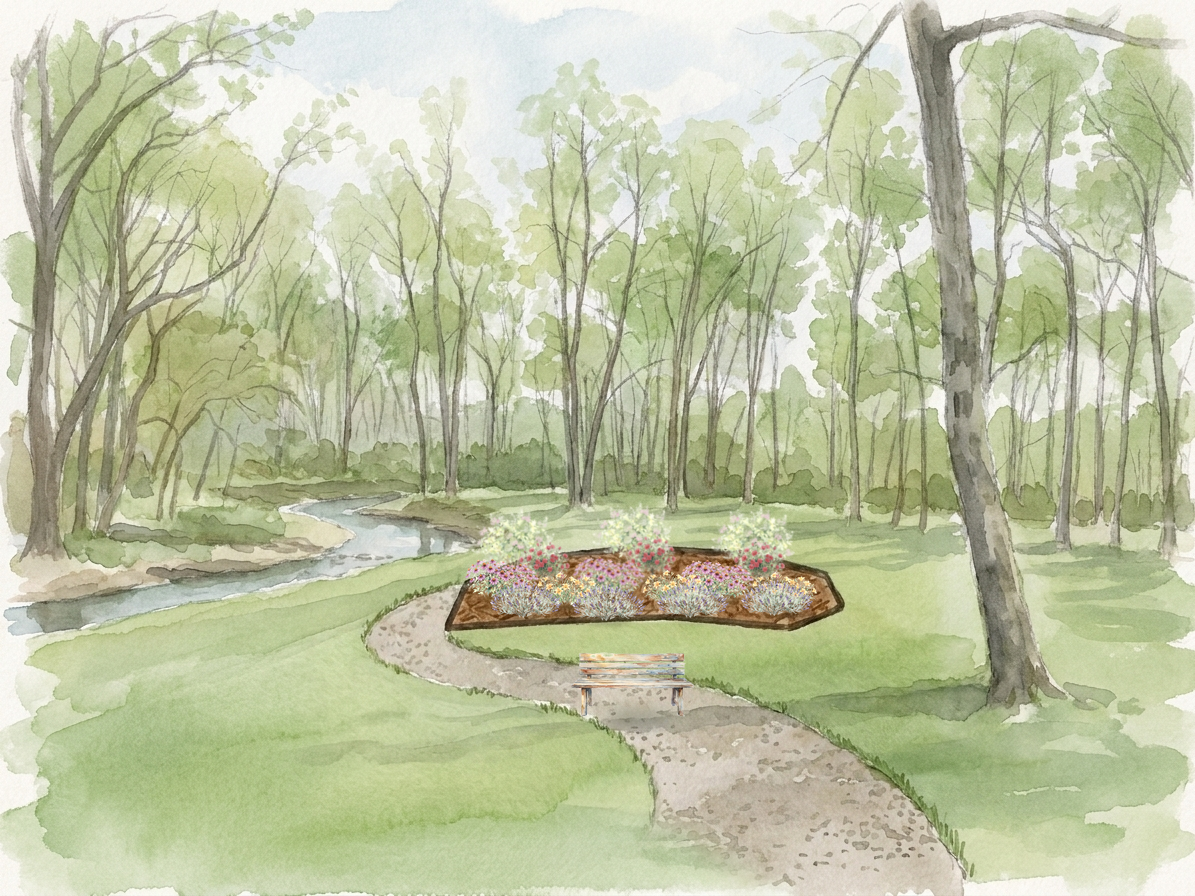
Garden design tool
Not a themed garden, not a landscaping project: a garden. Flowers, shrubs, a bed with a good shape, …
watercolor · xeriscape front yard Low water and xeriscapeXeriscape front yard design tool
Xeriscaping fails in one of two directions: the gravel moonscape with three sad shrubs, or the "low …
watercolor · backyard privacy Privacy and screeningBackyard privacy design tool
Every privacy planting is a bet on time: how many plants, how far apart, and how many summers until …
watercolor · see your yard 10 years from now See it before you plant itSee your yard 10 years from now
Every plant tag shows the same lie: the mature specimen, fifteen years old, photographed at a nurser…
watercolor · shade garden ShadeShade garden design tool
The dark strip under mature trees is where lawns go to die and where the best gardens begin. Shade g…