Xeriscape front yard design tool
Xeriscaping fails in one of two directions: the gravel moonscape with three sad shrubs, or the "low water" bed that quietly filled with thirsty plants. The fix for both is designing with structure first and seeing the mature sizes honestly. Painted Acre paints the plan on your actual front yard so the boulders, gravel bands, and plant masses read at true scale before you move a single ton of rock.
No account needed. The studio opens with this scenario ready to go.
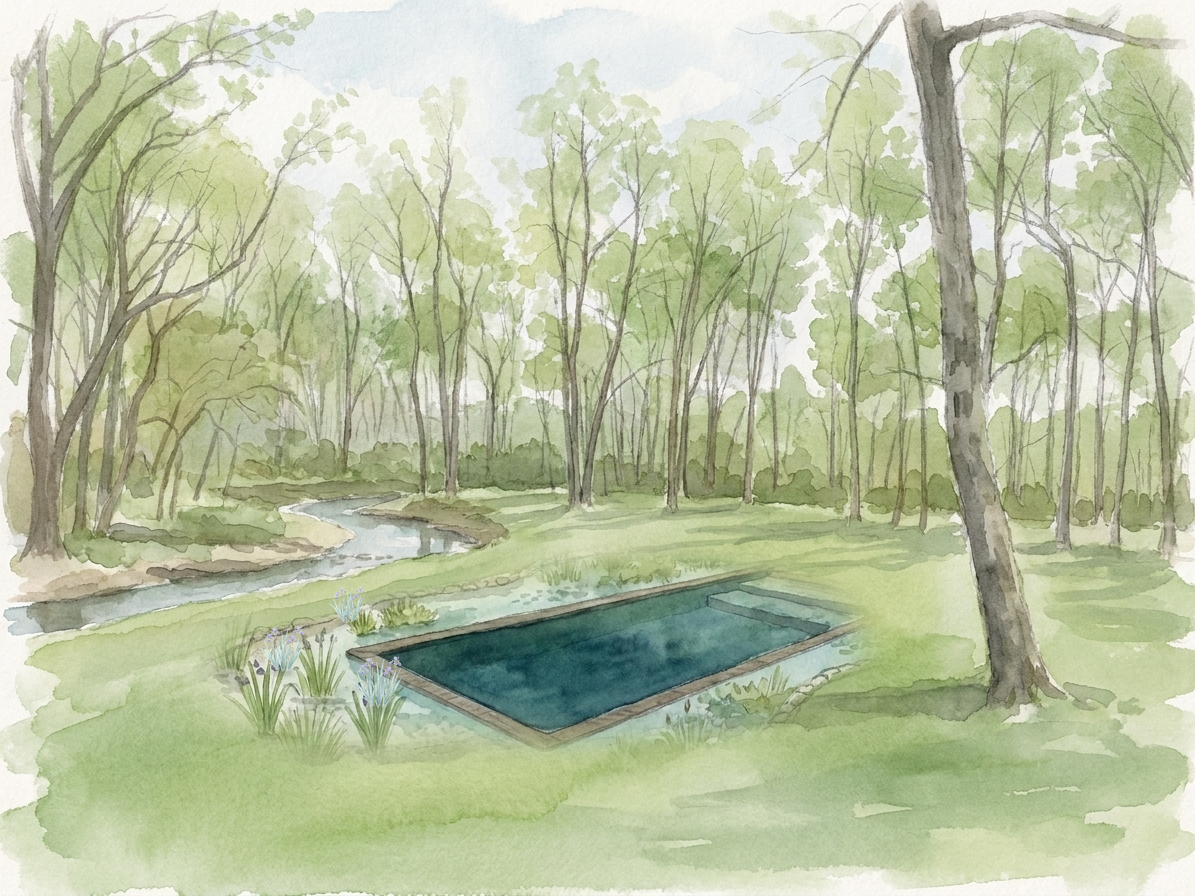
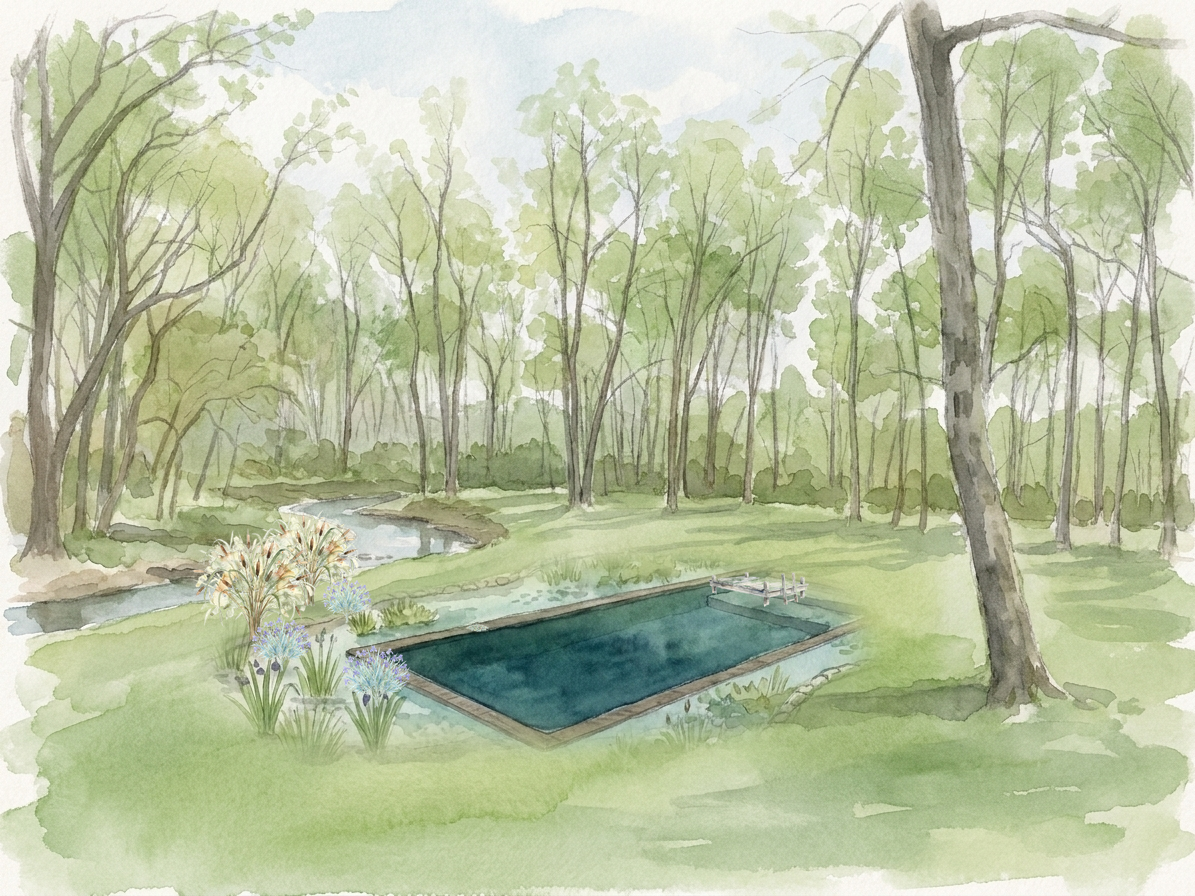
Structure first: rock, then paths, then plants
Set the boulders and gravel geometry before any plant enters the plan, they are the bones the design hangs on. Odd-numbered boulder groups, partially buried so they look geological, and a gravel palette that picks up your roof color. When the hard structure is right, even a young sparse planting looks intentional.
Mass the silvers and blues
Low-water plants tend to silver, blue, and gray foliage. Mass them the same way you would perennials, in drifts of five or more, and let each mass breathe against the gravel. Russian sage, lavender, blue fescue, and creeping juniper give four different heights of the same drought-proof palette.
Water only what earns it
A true xeriscape still has one or two moments of luxury, a small high-impact bed near the door on drip irrigation. Zone the yard by water need: the entry bed gets drip, the masses get establishment watering for two summers, the gravel gets nothing, ever.
Before and after, honestly
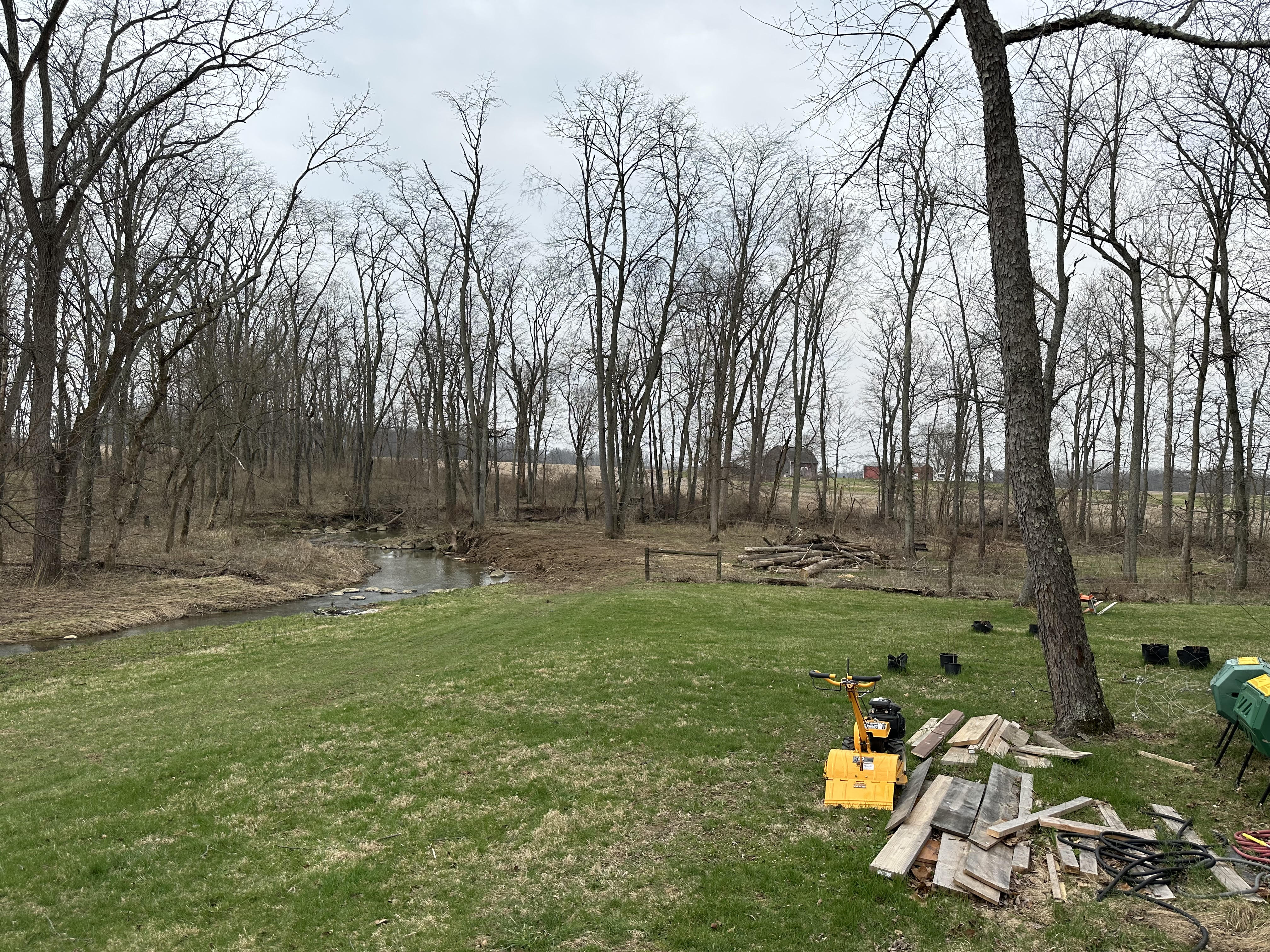
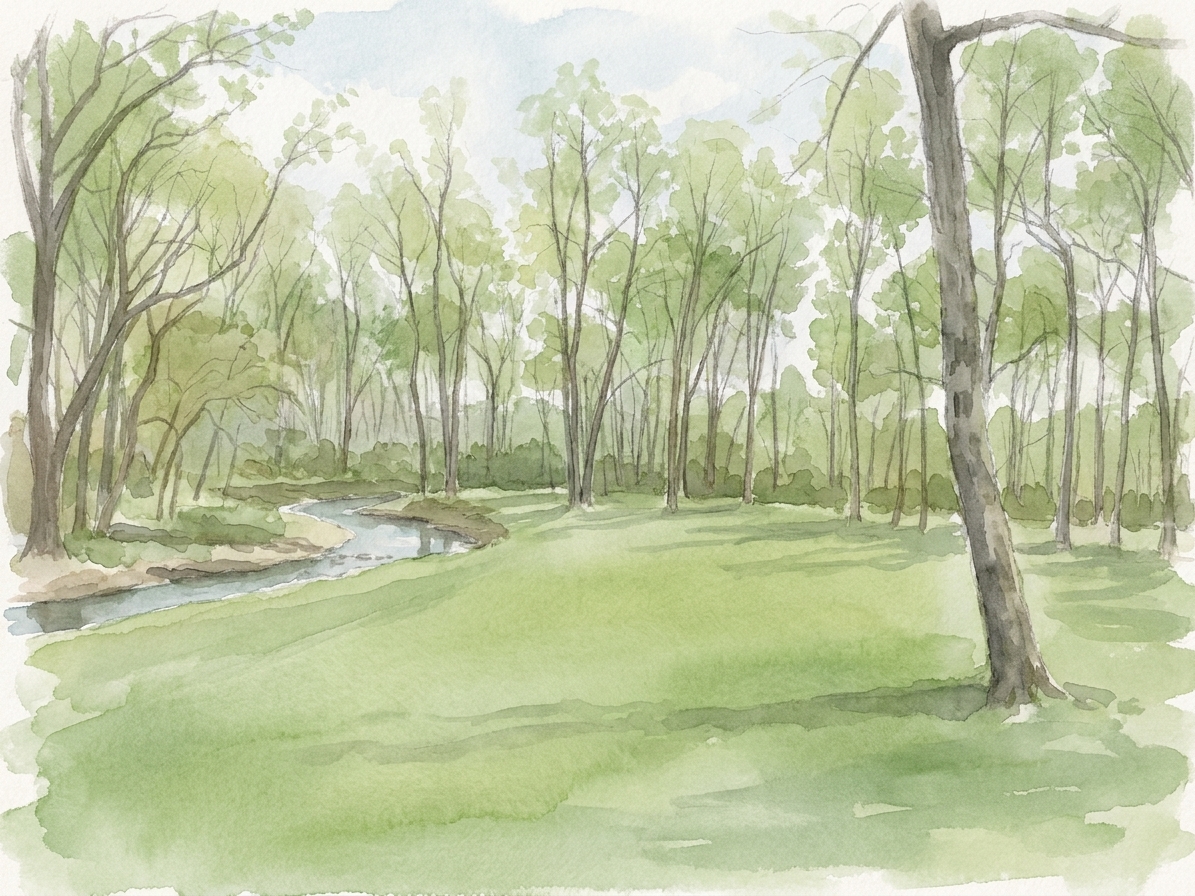
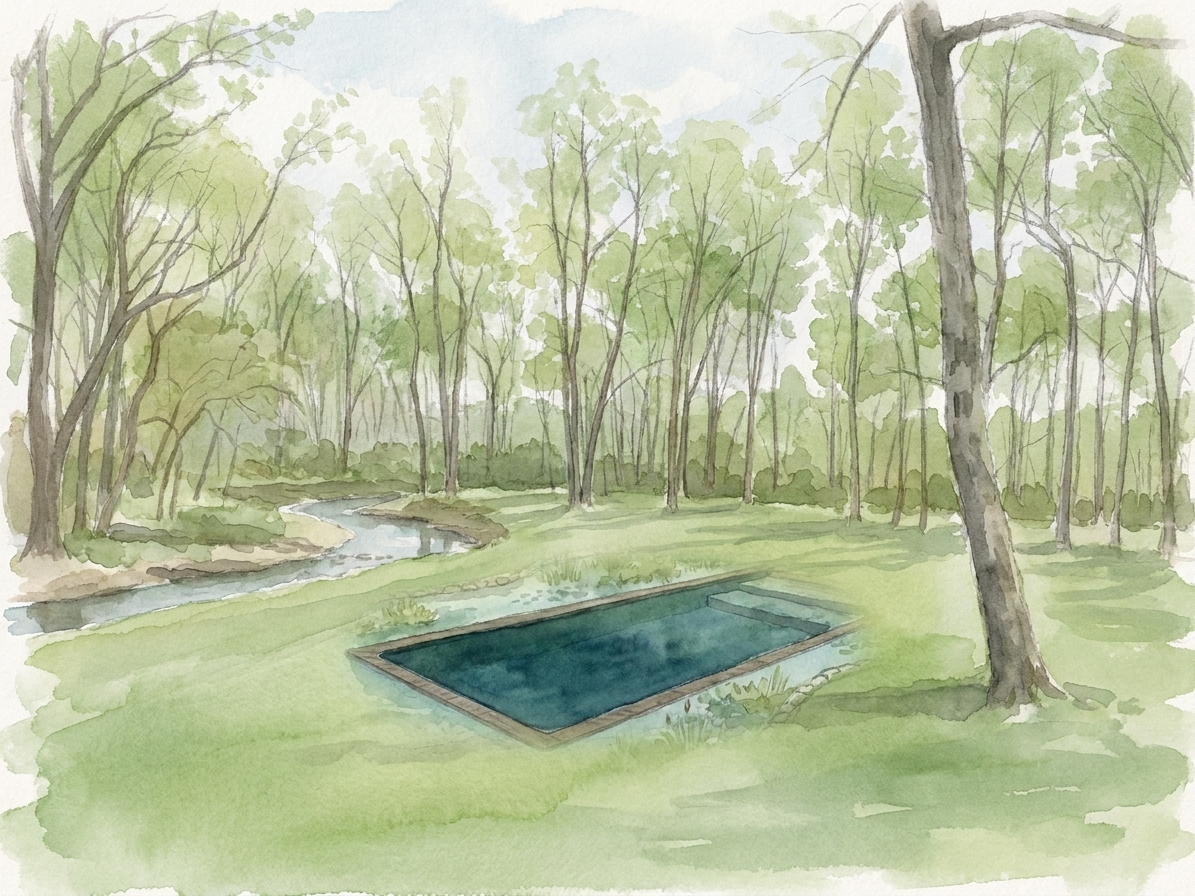
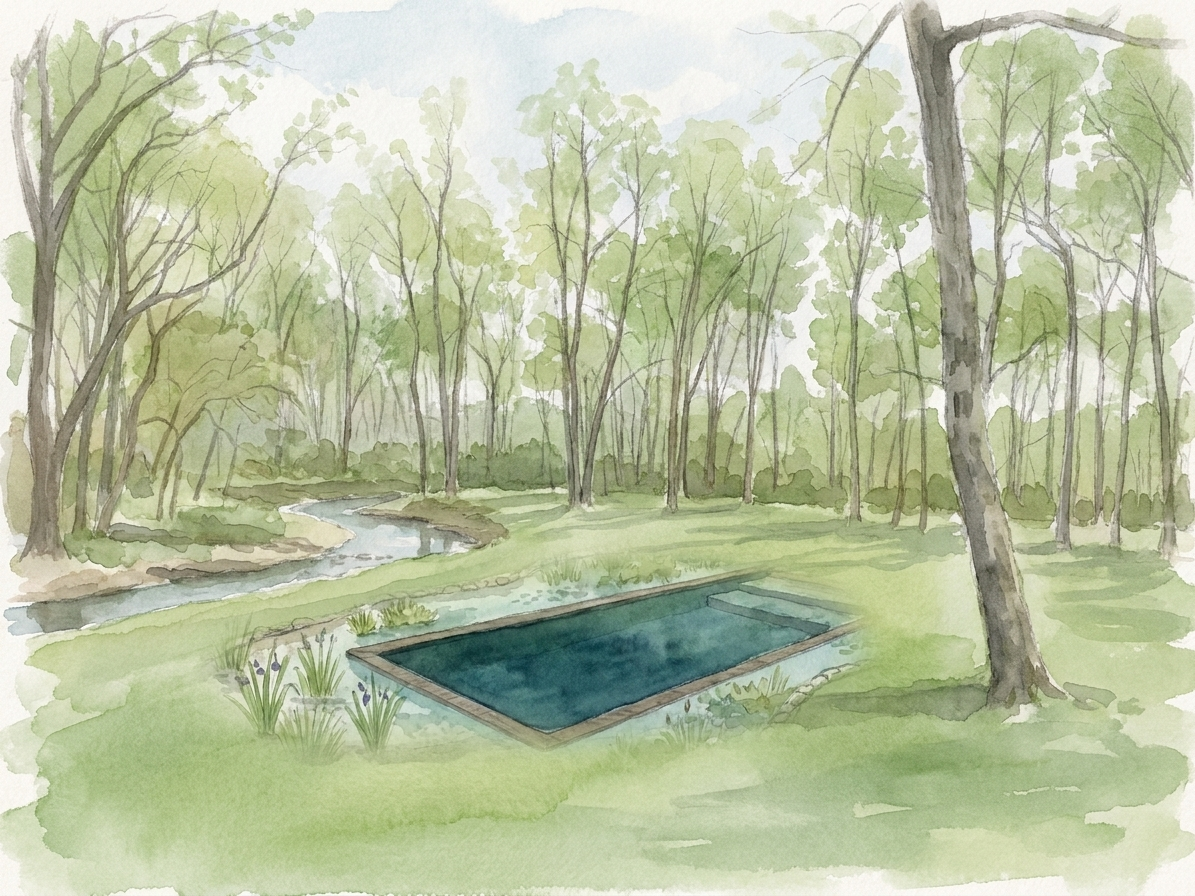
Every Painted Acre plan starts from a photo of a real yard and ends with the same view, years grown. No invented dream yard, no stock photos.
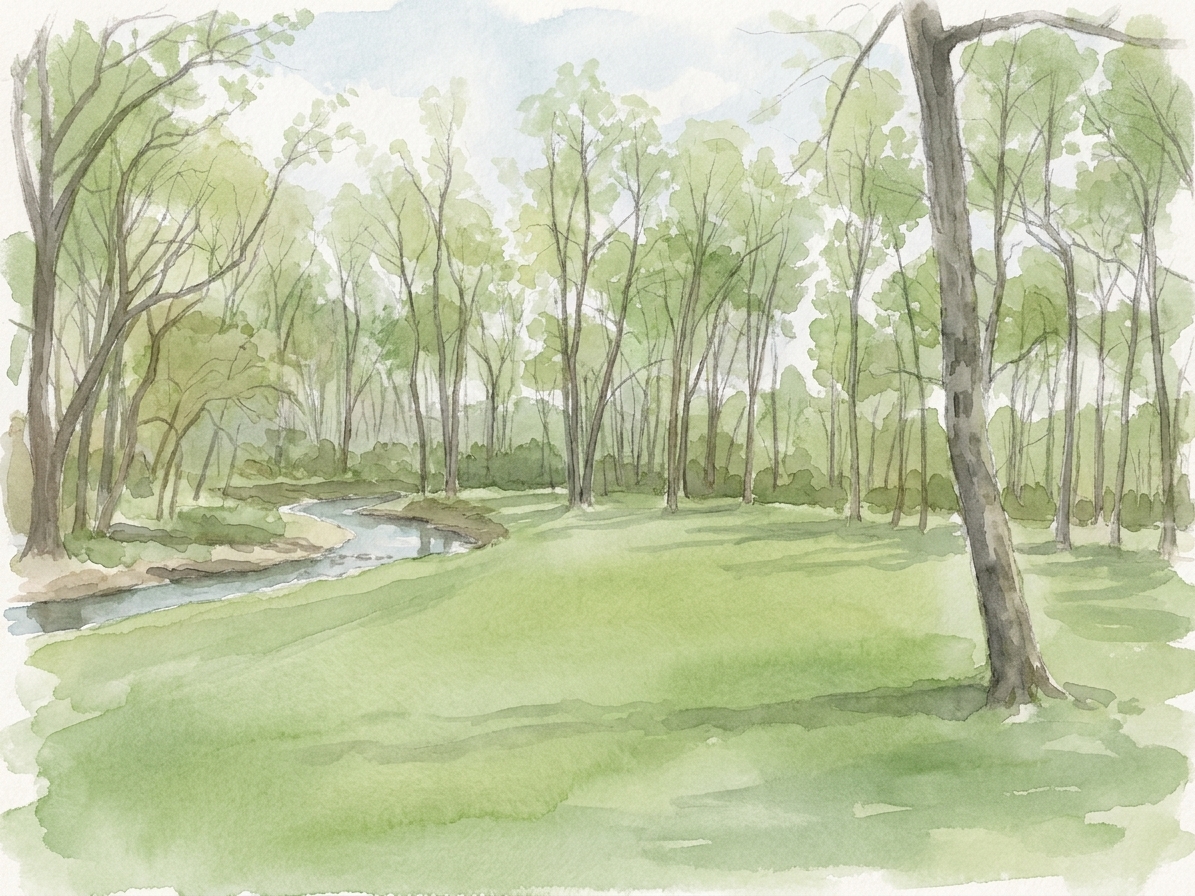
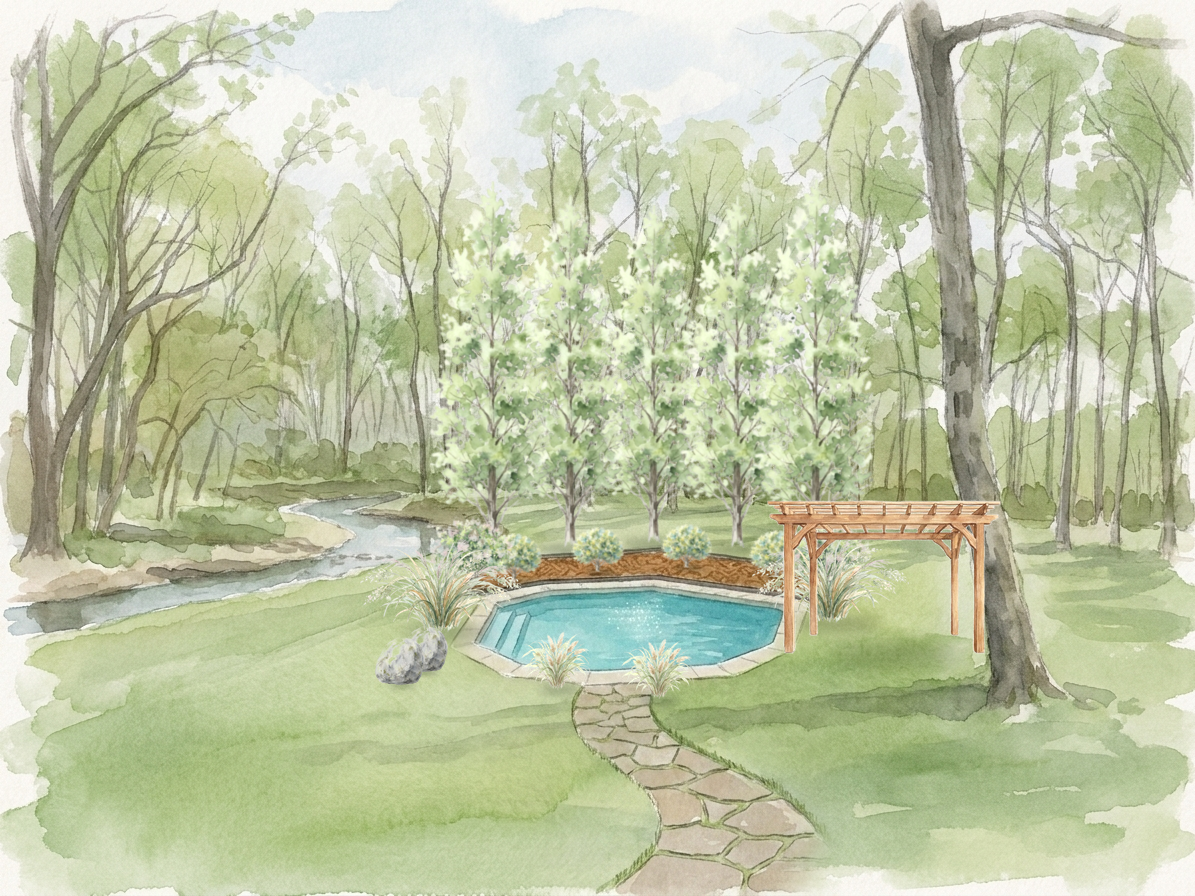
The dry palette, painted
Silver, blue, and structural, and none of it asks for a sprinkler once established. Every plant is painted at every age, and your ZIP filters the palette to your zone.
Russian Sage
A 4 ft silver-blue anchor mass that shrugs off drought and heat.
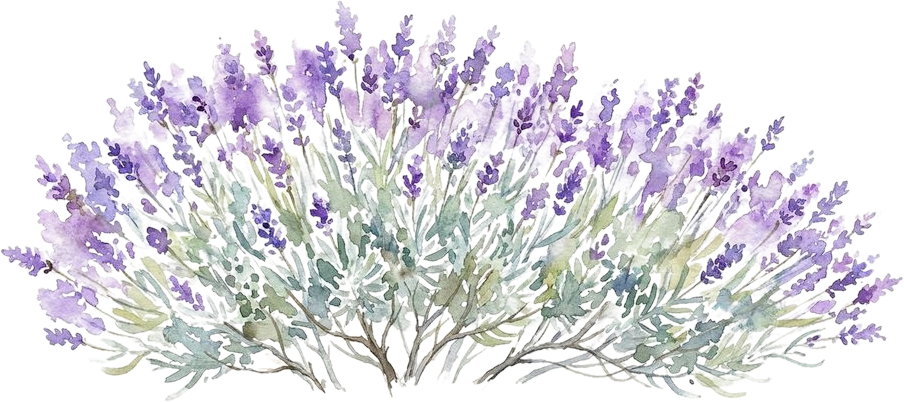
Lavender
Entry-bed luxury on a water budget; fragrance at the front door.
Blue Fescue
Steel-blue tufts that repeat beautifully along a gravel band.
Sedum Angelina
Chartreuse groundcover glow between boulders, zero water once rooted.
Creeping Juniper
The evergreen carpet that holds the design together in winter.
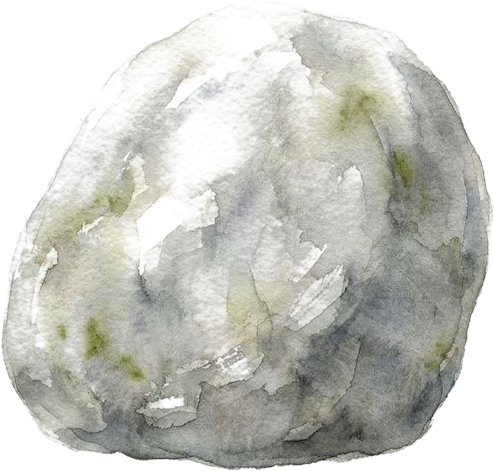
Boulder
Buried a third deep, in odd-numbered groups. The bones of the whole design.
Questions people ask
▸Does xeriscaping mean no grass at all?
No. It means matching water to use. Many xeriscape front yards keep a small irrigated seating lawn and convert everything else to gravel, boulders, and low-water masses. The design question is where the line goes, which is easy to test on a painting of your own yard.
▸Is a xeriscape front yard cheaper than a lawn?
More upfront for rock and plants, then dramatically cheaper: no mowing, minimal water, and replanting only what winter takes. Most conversions pay back in 3 to 6 years in dry-summer regions.
▸Will xeriscaping hurt curb appeal or resale?
A structured xeriscape with boulder groups, defined gravel bands, and massed plantings photographs beautifully and increasingly outsells tired lawns in dry markets. The moonscape version hurts value, and the difference is design, not budget.
▸What if I do not live in the desert?
Xeriscape principles work anywhere summer water is expensive. The palette shifts by zone, and Painted Acre filters plants to your ZIP automatically.
What this is, and is not: Painted Acre produces an illustrative watercolor design plan: placement, plant choices, and an honest picture of growth over time. It is not an architectural, engineering, or construction document. For anything that involves excavation, water, structures, or grading, bring the plan to a qualified contractor or landscape professional and verify measurements, utilities, and local codes first.
Related scenarios
Front yard landscaping design tool
Curb appeal is composition: the house is the subject, the landscape is the frame, and most front yar…
watercolor · sloped backyard Problem yardsSloped backyard design tool
A slope is the most expensive part of any yard to get wrong and the most dramatic to get right. The …
watercolor · pollinator garden Native and pollinatorPollinator garden design tool
A pollinator garden succeeds on two things most sketches ignore: drifts big enough for foraging bees…
watercolor · japanese garden Garden stylesJapanese garden design tool
Japanese garden design is subtraction: fewer plants, placed asymmetrically, each given room to becom…